The Name & The Seal

The meaning behind the name Maha Bodhi Society and the ancient seal adopted by the Society.

Bodhi tree and sacred Buddhist heritage

The Name

The Maha Bodhi Society derives its name from the tree under which about two thousand five hundred and thirty-five years ago, at Buddha Gaya, the Great Being, Gautama Buddha, took his adamantine seat (Vajrasana) and visualised the Truth, The Reality.

This Tree was an Asvattha (Ficus Religiosa), which was sanctified by Siddhartha Gautama's attaining Supreme Knowledge (Bodhi) beneath its shade. Thenceforth, it became known as the Bodhi-Tree in India and Bo-Tree in Sri Lanka.

Today the word Bodhi has become internationally known term or noun in connection with the Buddhist activities.
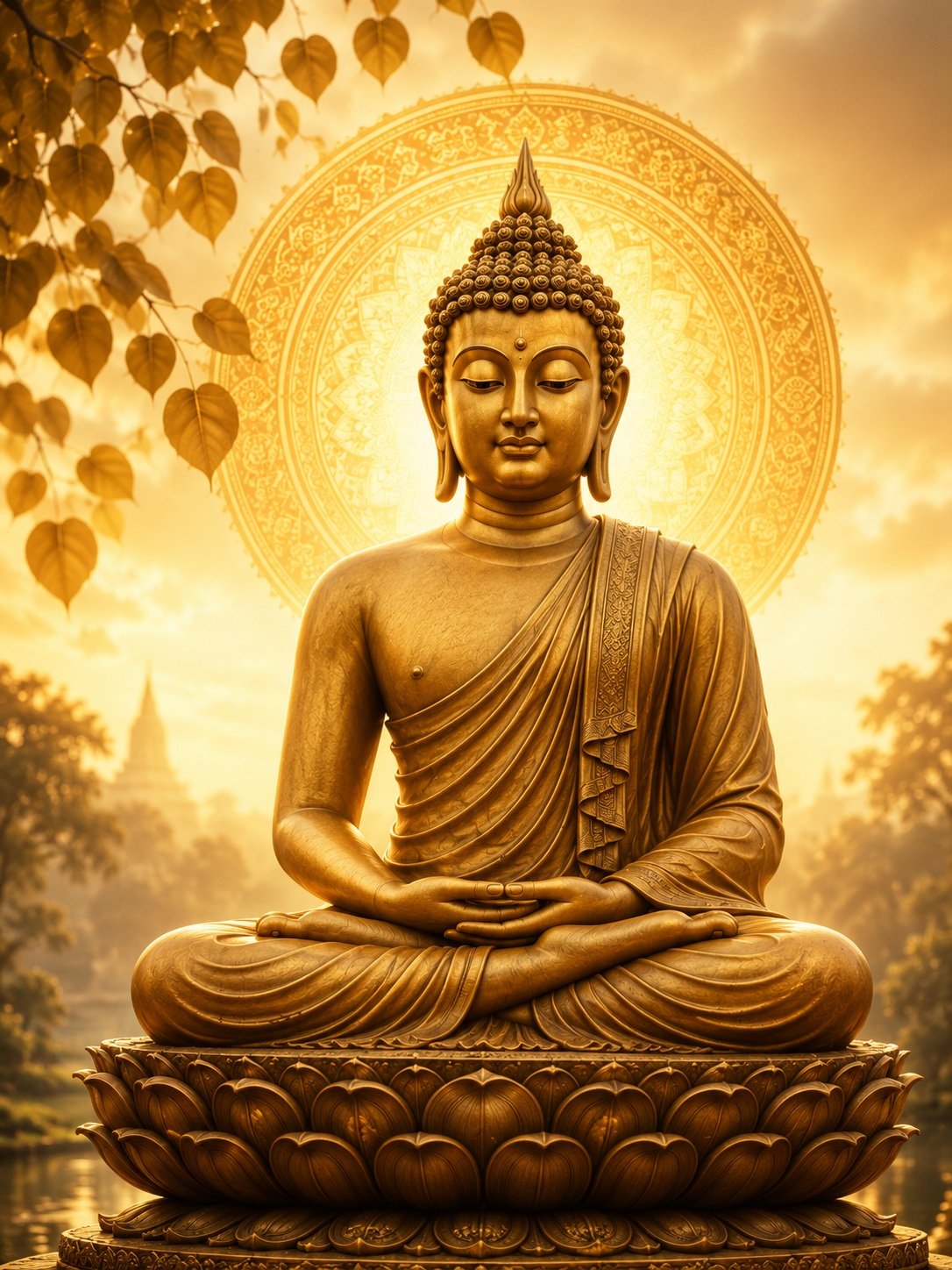
Under the Bodhi Tree, the light of wisdom illuminated the world.

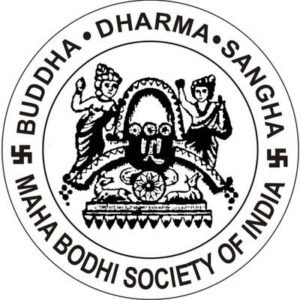
The seal of Maha Bodhi Society of India

The Seal

The Seal of the Maha Bodhi Society, of which an engraving is printed here, was copied from an alto-relievo tablet in the Indian Museum, Calcutta, and may be seen against the right-hand wall of the large square room, from which one enters the Archaeological Sculpture Gallery. It is included in the Gandhara collection made by Major General Sir Alexander Cunningham.

It is computed to be more than 2,000 years old and General Cunningham and most other archaeologists believe that it was the seal adopted by the Sangharajas of the greatest Viharas of those days.

The trident in the centre represents the three Gems - Buddha, Dharma and Sangha. The wheel supporting it is the Dharmachakra or wheel of the law, the Couchant refer to the deer park, Isipathane near Benares, where the Buddha preached his first discourse, entitled the Dhamma Cakkappavattana Sutta, which embodies his doctrines. The two figures typify the celestial hosts in the act of adoration.

The Japanese auxiliary of the Maha Bodhi Society (Indo Busseki Kofuku Kwai) has adopted this as their emblem.

Be a part of our mission

Together, let us build a more peaceful world.